Accepting No
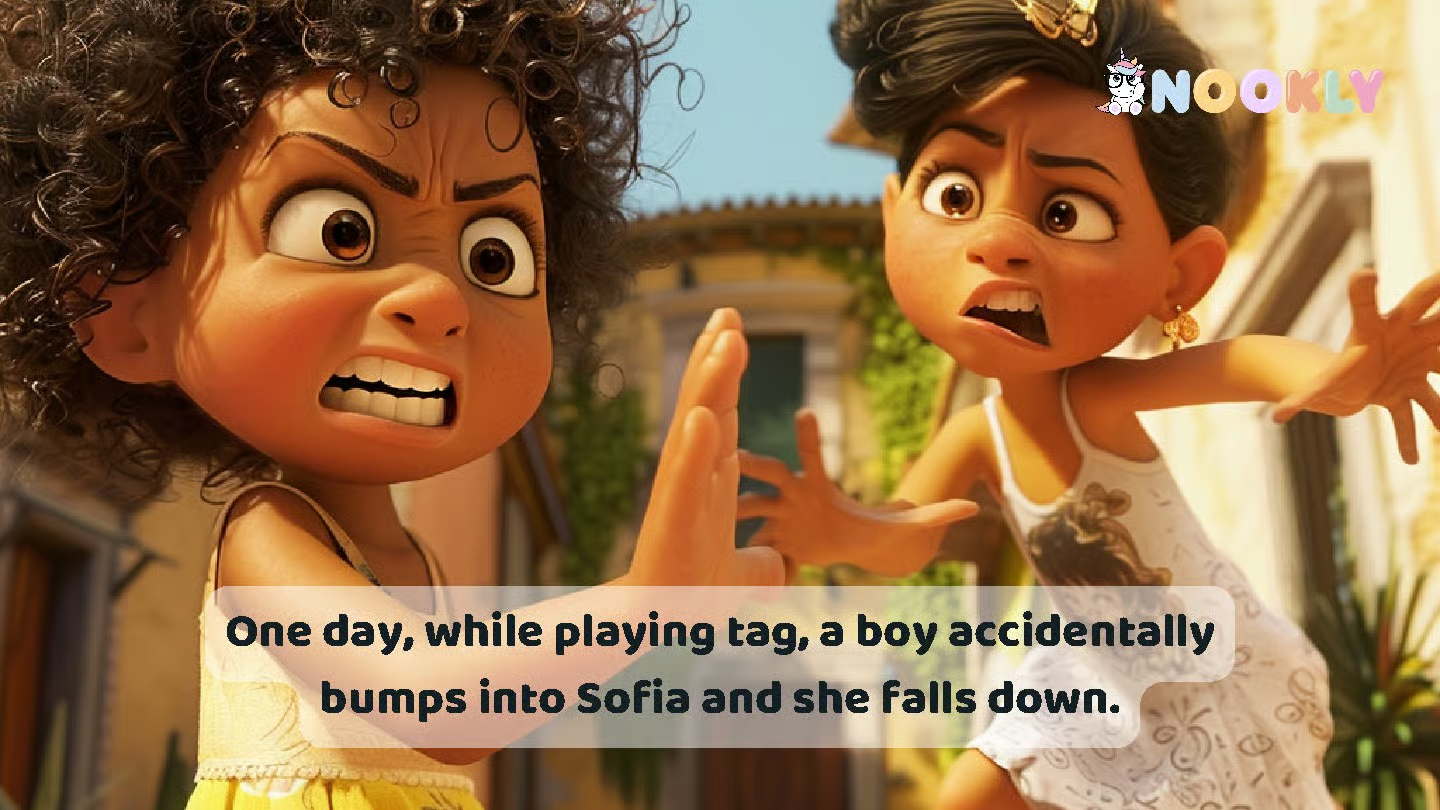
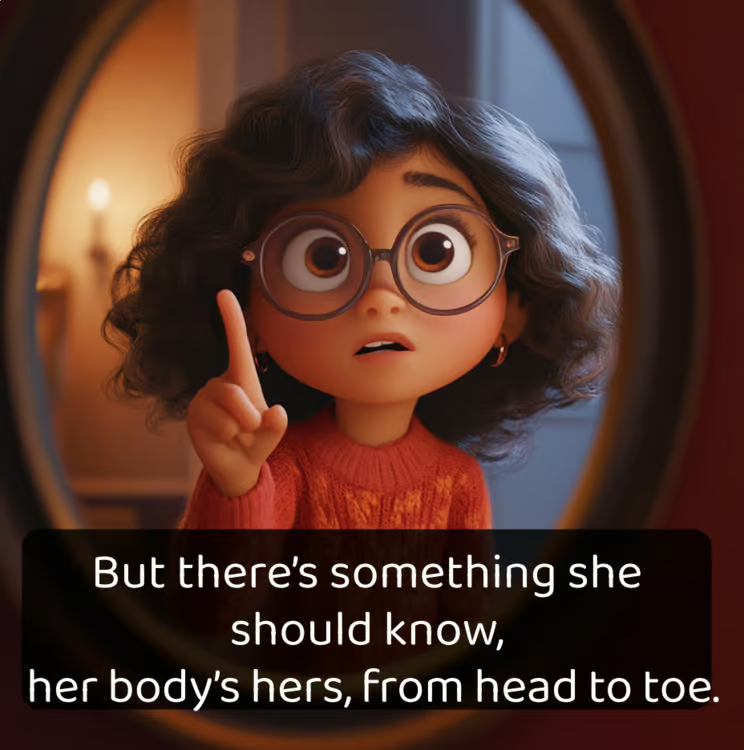
Our 'Accepting No' social story is a vital resource for teaching children how to navigate one of life’s most common challenges: hearing the word 'no.' Designed specifically for neurodiverse learners, early childhood development, and children with special needs, this engaging visual story helps kids understand why 'no' is sometimes necessary and how to respond calmly and respectfully. By illustrating realistic scenarios and offering practical coping strategies, this resource empowers children to manage their emotions when plans change or desires are denied. Educators and parents will find this tool invaluable for fostering emotional regulation, promoting impulse control, and building resilience in young learners. Equip your child with the skills to handle disappointment gracefully and develop positive social behaviors with this essential social story.
How to use this resource
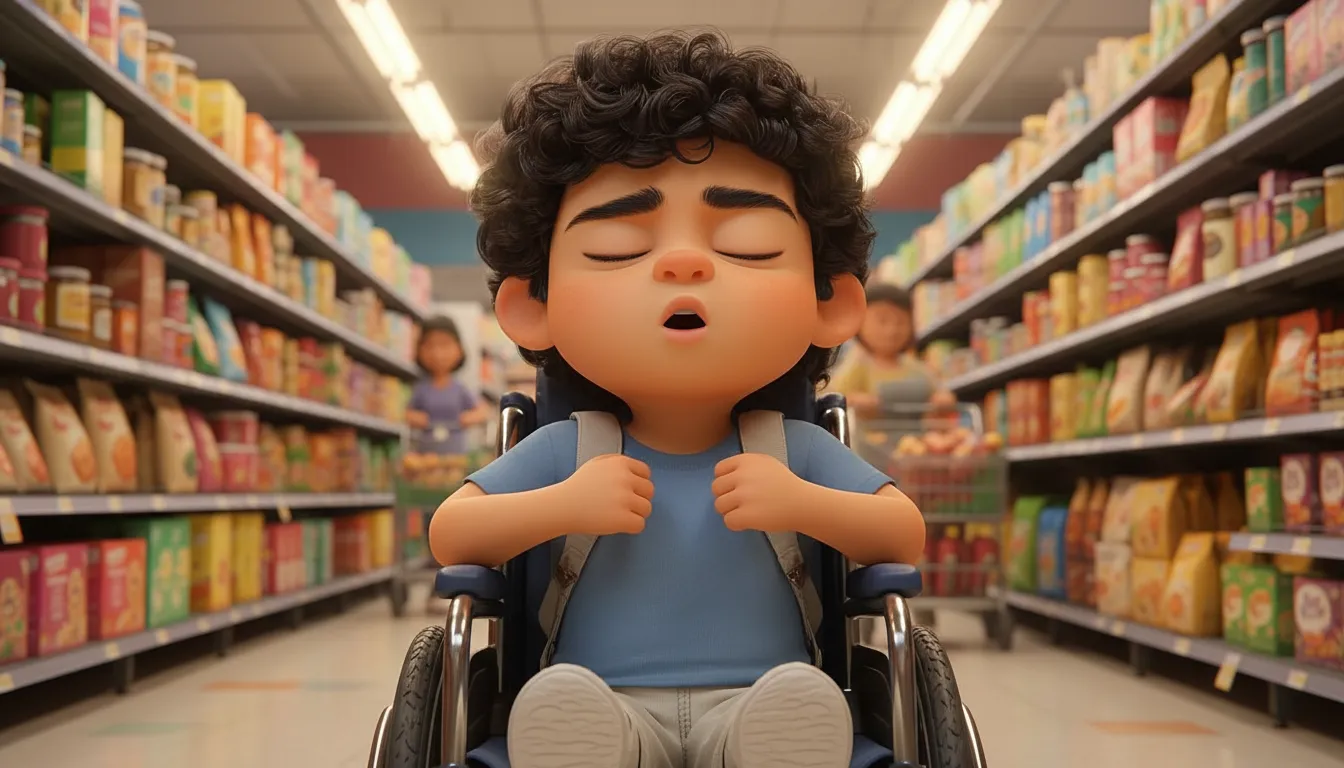
This social story is best utilized in a calm, focused environment. Read through it together, pointing to the visuals and discussing each scenario. Encourage your child to share their own experiences with hearing 'no.' Practice the suggested calming strategies (e.g., deep breaths, counting) interactively. Role-play different situations where 'no' might be heard, allowing the child to practice their calm responses. Integrate it into daily routines when preparing for potential 'no' moments, like before asking for an extra treat. Revisit the story regularly, especially during times of transition or when challenging behaviors related to 'no' arise.
Learning Objectives
- ✓Recognize the word 'no' as a boundary or limit.
- ✓Practice calm and respectful responses when hearing 'no.'
- ✓Identify and apply coping strategies for managing disappointment.
- ✓Understand that 'no' is sometimes necessary for safety or routine.
- ✓Develop self-regulation skills in challenging situations.