No Hitting
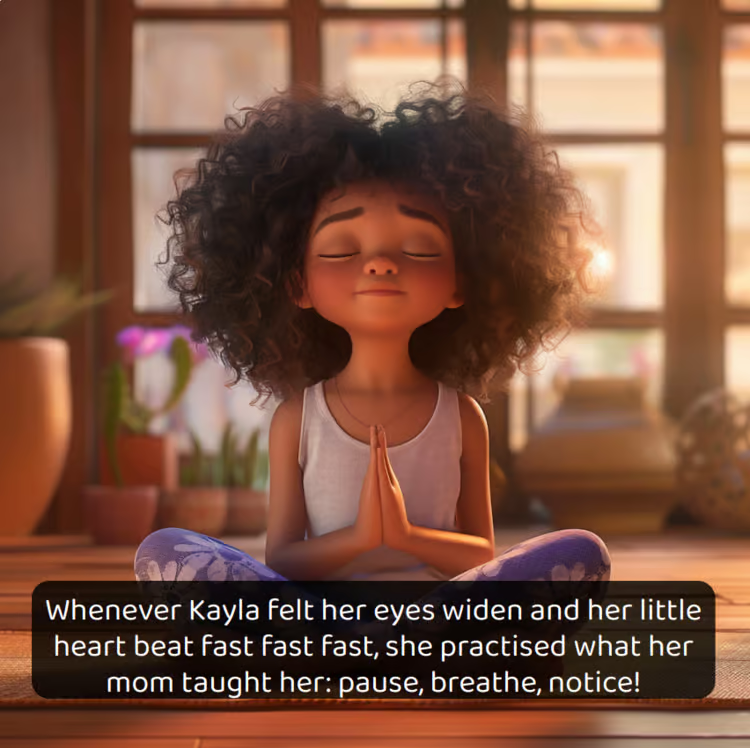
Empower your child or students to navigate big emotions and build healthy social skills with our 'No Hitting' resource. Designed specifically for neurodiverse children, early childhood learners, and children with special needs, this engaging story helps them understand why hitting is never okay. Through a supportive and clear narrative, it teaches calm and appropriate strategies for expressing strong feelings like anger or frustration, preventing challenging behaviors before they start. This resource is invaluable for fostering empathy, promoting self-regulation, and creating a safe and positive learning environment. Equip your learners with the tools they need to communicate effectively and interact respectfully, building a foundation for emotional intelligence and positive social interactions. Perfect for parents, educators, and therapists seeking gentle yet effective ways to address hitting and encourage safe, prosocial behavior.
How to use this resource
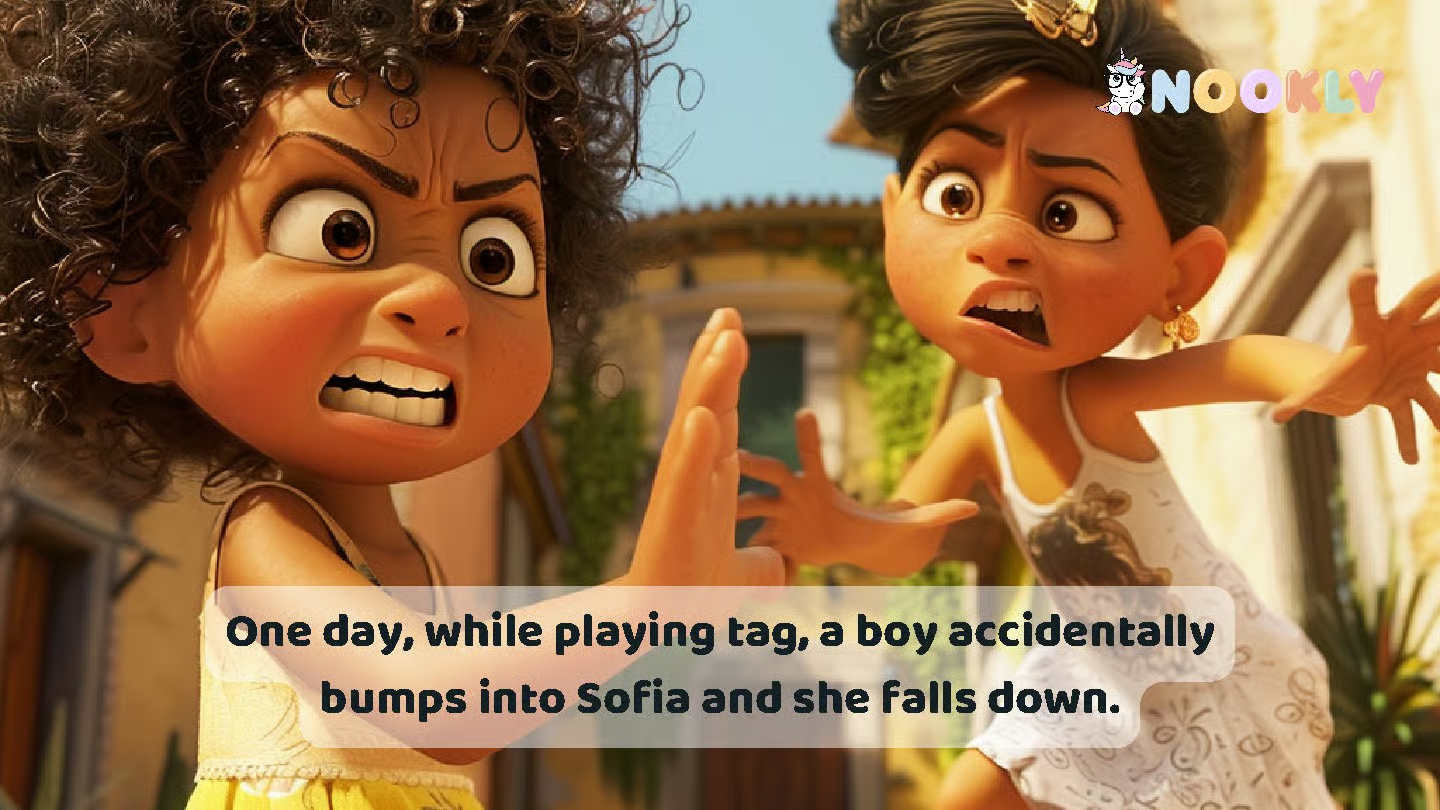
This versatile resource can be used in various settings. Read the story aloud during circle time or one-on-one. Pause throughout to ask questions like, 'How do you think [character] is feeling?' or 'What could [character] do instead?' Encourage role-playing scenarios using the strategies presented, like taking deep breaths or using 'I feel' statements. For visual learners, point out the facial expressions and body language in the illustrations. Laminate and place in a calm-down corner as a visual reminder. Revisit the story regularly, especially during times of heightened emotions, to reinforce positive coping mechanisms and communication skills.
Learning Objectives
- ✓Recognize that hitting is not a safe or appropriate way to express feelings.
- ✓Identify and label big feelings such as anger, frustration, and sadness.
- ✓Practice calm and safe strategies for managing strong emotions.
- ✓Develop alternative, positive communication skills to express needs and feelings.
- ✓Understand the importance of keeping hands safe and interacting respectfully with others.