Preparing for New Year's Eve!
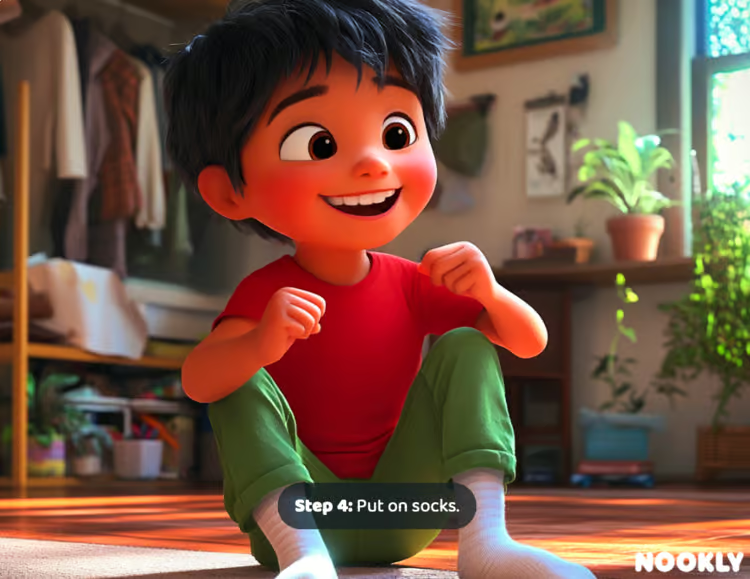
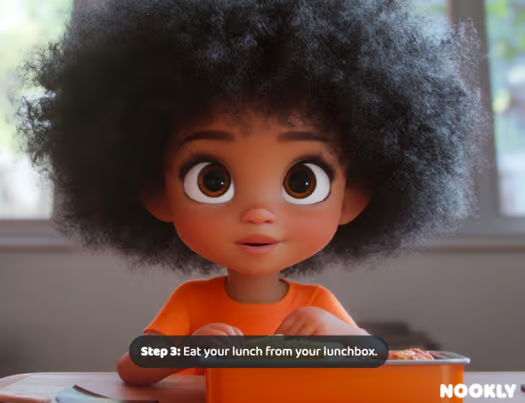
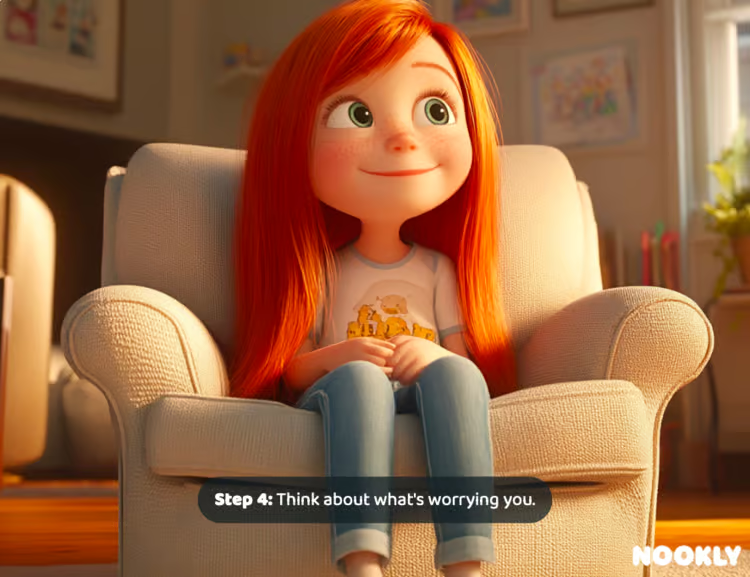
Make New Year's Eve a joyful and predictable experience for your child with our 'Preparing for New Year’s Eve' visual schedule. Designed specifically for neurodiverse children, early childhood learners, and those with special needs, this visual tool helps reduce anxiety and build confidence by clearly outlining the celebratory steps. From getting ready to the exciting countdown and quiet time afterwards, each activity is presented with simple, engaging visuals. This resource fosters routine, predictability, and emotional regulation, making transitions smoother and the overall experience more comfortable. Educators and parents will find this New Year's Eve schedule invaluable for preparing children for holiday events, promoting independence, and ensuring a calm and happy celebration. Download this printable visual schedule today to transform potential holiday chaos into a structured and enjoyable occasion for your little ones.
How to use this resource
Print and display the visual schedule in a prominent location where your child can easily see and reference it throughout New Year's Eve. Review each step with your child beforehand, explaining what to expect. As each activity is completed, you can use a checkmark or move a small marker to indicate progress, building a sense of accomplishment. Encourage your child to participate in setting up the schedule if appropriate. This visual support can also be used as a communication tool to address any anxieties or questions your child might have about the celebration, promoting calm and predictability.
Learning Objectives
- ✓Recognize the sequence of events involved in a New Year's Eve celebration.
- ✓Develop a sense of predictability and security around new or exciting routines.
- ✓Practice following a visual schedule to complete steps independently.
- ✓Improve emotional regulation skills by understanding upcoming transitions.