When I Feel Angry
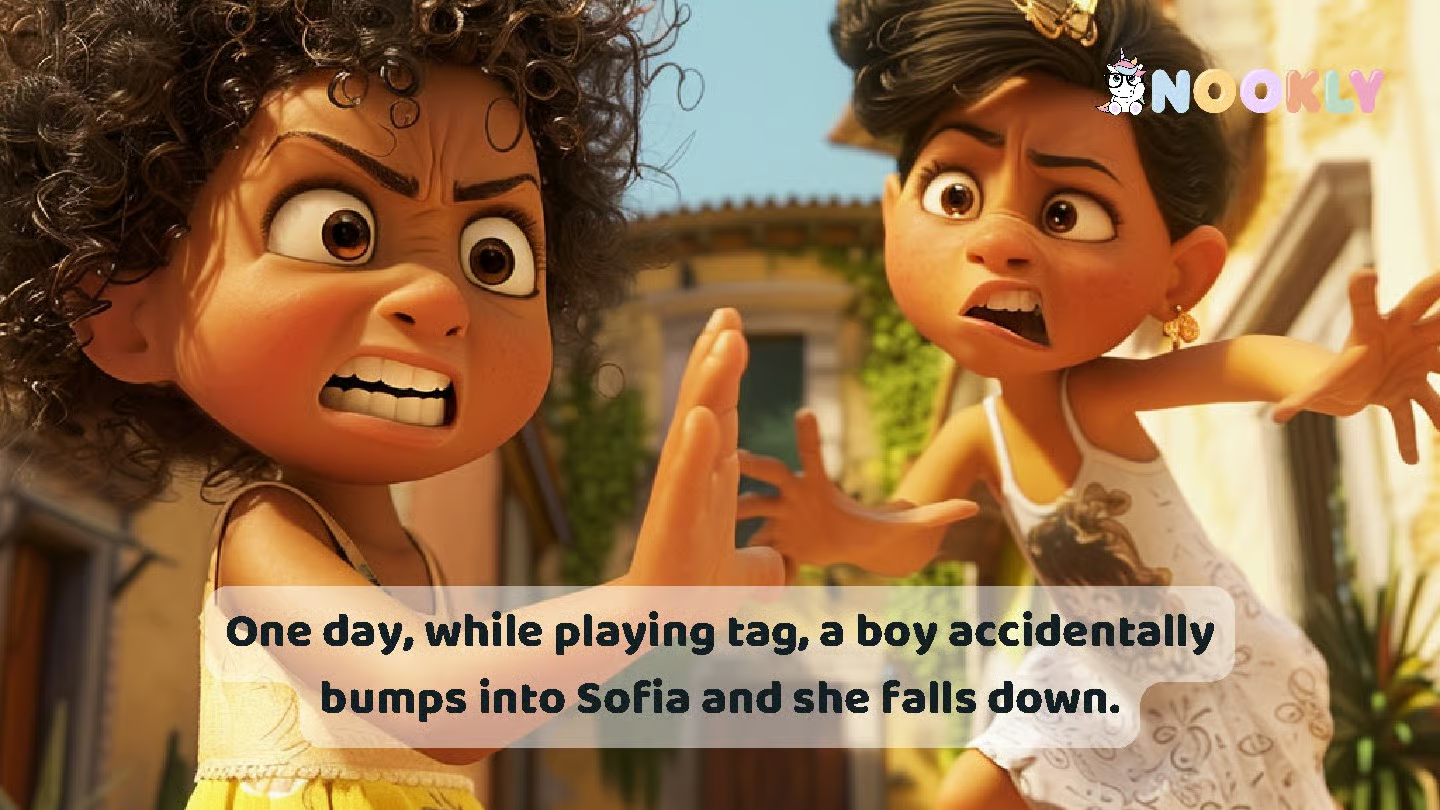
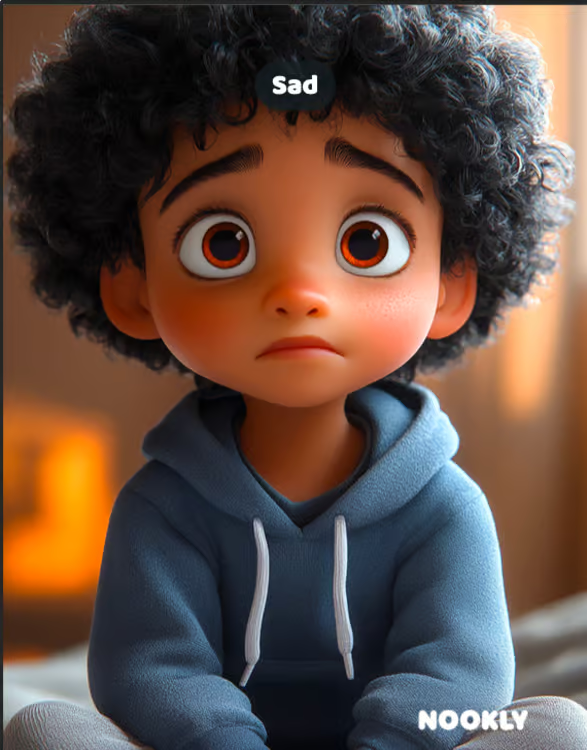
Help your child navigate big feelings with Nookly's 'When I Feel Angry.' This beautifully illustrated resource is designed specifically for neurodiverse children, early childhood learners, and children with special needs, making the complex emotion of anger understandable and manageable. Through engaging visuals and clear language, children will learn to identify the early signals of anger in their bodies and minds. This story empowers learners to explore safe and respectful strategies for responding when anger arises, fostering emotional regulation skills crucial for social-emotional development. Perfect for parents, teachers, and therapists, 'When I Feel Angry' provides a gentle yet effective tool to support children in developing a healthier relationship with their emotions, promoting self-awareness and positive coping mechanisms. Empower your little ones to understand, express, and manage their anger constructively.
How to use this resource
Utilize 'When I Feel Angry' as a guided reading experience. Before reading, discuss what it means to feel 'angry' and reassure the child that all feelings are okay. Pause at key moments to ask questions like, 'What do you think the character is feeling right now?' and 'What could they do?' Encourage children to draw or act out their own safe strategies. This resource can also be used during or after a challenging moment to reflect on what happened and practice alternative responses. Laminate pages for durability and repeated use, or print individual pages to create activity sheets for drawing coping strategies.
Learning Objectives
- ✓Recognize the physical and emotional signs of anger in themselves and others.
- ✓Identify and articulate at least three safe and respectful ways to respond to anger.
- ✓Develop a personalized toolkit of coping strategies for managing intense emotions.
- ✓Communicate their feelings of anger using appropriate language and expression.